
Every construction project starts with a clear plan, a set budget, and a fixed timeline. However, many building sites in Kenya slowly drift into chaos without the owner noticing. Minor issues accumulate quietly until they turn into massive, expensive disasters.
You might notice that things feel slightly wrong, but you cannot pinpoint the exact problem. Catching the early warning indicators allows you to step in before your capital vanishes entirely. Knowing these danger signs is the only way to save your investment from failing.
Look out for these clear warning signs that show your construction project is actively drifting off track:
1. Progress Has Slowed Without a Clear Explanation
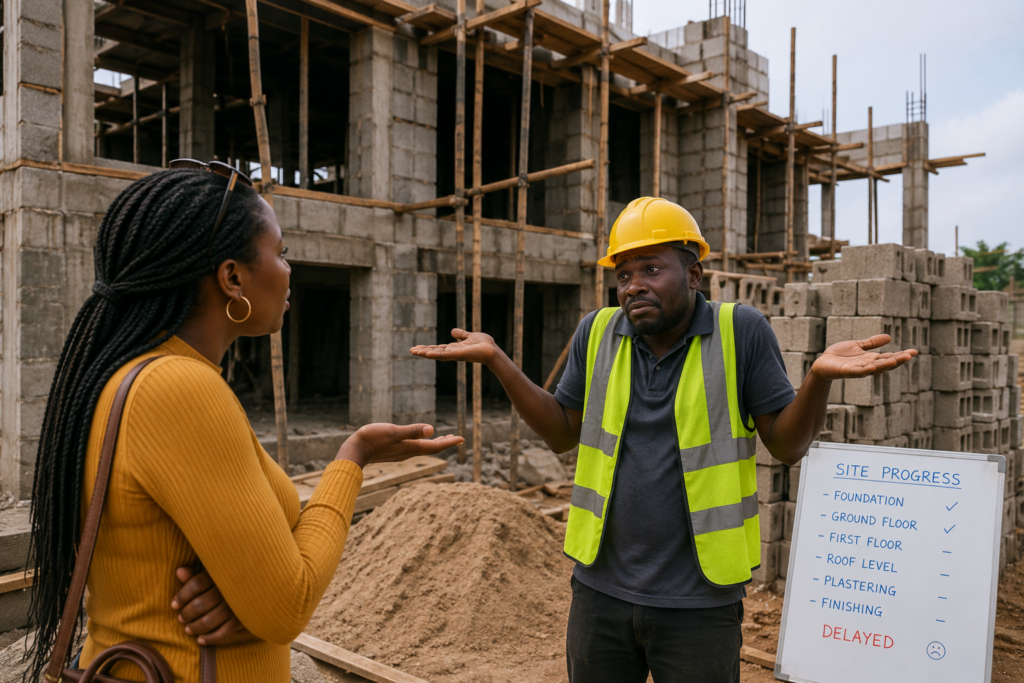
A healthy construction site should show visible progress every single week. When the structure looks exactly the same for weeks, your project is in serious trouble. Contractors often blame rain, late deliveries, or sudden labor shortages for these delays.
While minor hiccups happen, an honest team will always explain the root cause and adjust the timeline immediately. If the excuses feel vague, they are likely covering up bad planning or redirected resources.
Stalled progress usually means your funds have been moved to another site, or your workers are being pulled away. Your build gets pushed to the back burner while you continue to pay overhead costs.
Without an objective eye to audit the site diary, you cannot verify the truth behind the delays. Leaving a slow project unaddressed ensures that your completion date drifts months into the future.
2. Site Updates Have Become Less Frequent
When a project is going smoothly, contractors are usually eager to share their progress. A sudden drop in communication is one of the most reliable signs that something is going wrong.
You might notice that daily WhatsApp photos stop coming, phone calls go unanswered, or weekly reports start arriving late. This sudden silence is rarely an accident; it is often a deliberate tactic to hide mistakes, building delays, or a completely empty site.
A lack of updates forces you to rely on guesswork and creates intense anxiety. By the time you finally get a response, the team has usually spent weeks mismanaging your resources or ignoring structural flaws. Silence allows minor errors to grow into expensive disasters behind your back.
3. Costs Keep Increasing Without Clear Justification
A well-planned project should stay close to its original budget estimations. When your contractor asks for extra cash every week, your build is actively bleeding money. They might blame these sudden budget overruns on unexpected price increases or missing structural items.
If these financial requests come without receipts, signed delivery notes, or clear mathematical breakdowns, you are likely being overcharged. Unjustified cost increases usually mean your money is being spent on structural mistakes or diverted to other projects.
Without independent verification of material market rates, you cannot tell if you are paying for actual supplies or contractor inflation. Accepting these vague requests without proof will quickly drain your capital before the building is even halfway done.
4. Work Has to Be Repeated or Corrected
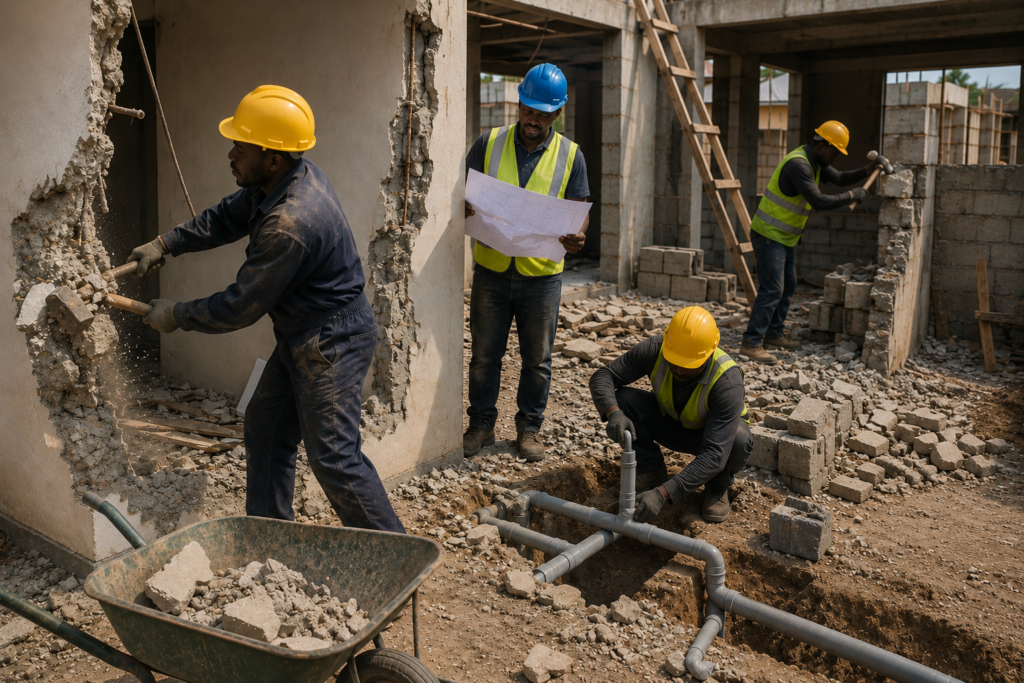
Seeing workers demolish walls or tear up plumbing they just installed is a massive red flag. When structural elements have to be constantly redone, it proves your team lacks proper supervision or technical skill.
This repetition usually happens because workers are misreading the blueprints, using poor-quality materials, or rushing through the build. Every time a mistake is corrected, you end up paying twice for the exact same phase of work.
Demolishing and rebuilding also ruins the structural integrity of your property over time. These repetitive errors create hidden weaknesses that might not show up until years after the building is completed.
This cycle of bad work destroys your project timeline and burns through your capital on wasted cement, timber, and labor. If your team cannot get it right the first time, they are simply learning on your dime.
5. The Site Looks Busy, But Progress Is Limited
A crowded site filled with workers does not always mean your project is moving forward. You might notice tons of activity, yet the actual structure remains stuck in the same phase for weeks. Contractors sometimes create an illusion of busy productivity specifically to satisfy visiting owners or to justify daily labor costs.
Workers might be moving materials back and forth needlessly, digging random trenches, or stretching simple two-hour tasks into three-day jobs. This organized chaos is a classic sign of poor site management and zero coordination.
You are effectively paying a massive daily wage bill for zero actual return on investment. Without strict milestone tracking, a large workforce is just a fast way to burn through your capital. True progress is measured by completed concrete slabs and rising walls, not by the number of boots on the ground.
6. Decisions Are Being Made Without Your Knowledge
Your blueprints are the legal and structural foundation of your entire investment. When a contractor changes the layout, switches material brands, or alters the roof design without your written consent, they are crossing a dangerous line.
These unauthorized changes are rarely made to benefit you; they are almost always done to save the contractor time, hide a mistake, or pocket the price difference by using cheaper alternatives.
Discovering that rooms are smaller than planned or that a specific grade of steel was skipped destroys your trust and ruins the value of the property. If a team makes major structural or design shifts behind your back, they are treating your asset as their personal project. You should never be forced to accept a building that does not match the exact specifications you paid for.
7. You’re Beginning to Feel Uncertain About the Project
Your intuition is a powerful indicator that something is going wrong on your site. When a build is managed properly, you should feel confident, informed, and in control of your investment. If you find yourself constantly stressing, losing sleep, or second-guessing the contractor’s explanations, do not ignore those feelings.
This growing uncertainty usually means you have noticed small inconsistencies in reports or behavior that your mind has not fully processed yet. Anxiety thrives when there is a total lack of transparency and data on the ground. Trying to run a complex build based on blind trust or vague promises will always leave you feeling vulnerable.
If you feel like a stranger on your own project, the team has successfully cut you out of the loop. Regaining your peace of mind requires replacing that uncertainty with independent, verified facts.

What to Do If You Notice These Warning Signs
Discovering that your construction project is drifting off track can be incredibly stressful, but it is not the time to panic. It is the time to take immediate, decisive action to protect your investment. Letting these issues slide will only lead to further delays and vanished capital.
1. Ask for Detailed Progress Updates: Do not accept vague text messages or verbal assurances that everything is going fine. Demand written reports that detail exactly what tasks were completed during the week. These updates should include dated photos of specific structural elements, like recent concrete pours or brickwork.
2. Verify Work Before Approving Payments: Never release the next installment of money until you have physical proof that the current phase is complete. Inspect the site yourself or send an independent representative to measure the completed structures. You must ensure that the quality of work matches your contract before any cash changes hands.
3. Request Clear Documentation: Every single cent spent on your project must leave a clear paper trail. Request official receipts, signed material delivery notes, and accurate payroll logs from your contractor. Compare these documents against local market rates to ensure you are not being overcharged for cement, steel, or labor.
4. Address Concerns Early: Small mistakes on a construction site quickly compound into massive, expensive structural failures. The moment you spot an error, uneven wall, or missing material, bring it up with the contractor immediately. Waiting for a “better time” to speak up just gives the team room to cover up bad work.
Prevention is always less expensive than correction. Regular monitoring helps catch issues early, saving you from devastating demolition and rebuilding costs. The earlier concerns are identified, the more options you have to resolve them without disrupting the project. Do not wait for your build to stall completely before taking action to secure your wealth.
Conclusion
Independent oversight adds an extra layer of confidence to your entire building experience. When you have an objective professional tracking your site, you no longer have to rely on guesswork or blind trust.
You gain the clarity needed to make smart decisions, control your budget, and protect your hard-earned capital. True peace of mind comes from knowing your investment is structurally sound and completely secure.
Do not wait for your construction project to drift off track before taking control. We act as your trusted eyes on the ground, ensuring every shilling is spent wisely and every wall is built right.
FAQs
How do I legally pause a project if I suspect my contractor is cheating me?
You should review your signed contract for a suspension clause and issue a formal, written “Stop Work” notice detailing the timeline discrepancy or financial audit. This creates a legal paper trail and prevents the contractor from claiming you breached the contract by withholding funds.
What should I do if a contractor abandons the site after I raise these red flags?
Immediately document the exact state of the site with dated photographs and secure any remaining construction materials to prevent theft. Next, hire an independent auditor to assess the percentage of completed work so you have legal leverage before hiring a new team.
Can I use a local relative as an independent inspector to save money?
While convenient, relatives usually lack the technical engineering knowledge to spot structural flaws and can easily be misled by experienced contractors. Relying on an independent professional ensures unbiased site intelligence and protects your family relationships from financial friction.
How often should material verification checks happen to prevent theft on site?
Material audits should happen randomly at least once a week and always immediately following major deliveries of high-value items like cement or steel. Consistency prevents the site team from predicting your schedule and safely stops financial leakage before supplies disappear.