
Building a home back home in Kenya is a massive milestone for anyone in the diaspora. It represents your hard work and your connection to your roots. However, managing a project from thousands of miles away is incredibly difficult. You cannot see the daily progress or verify the quality of materials yourself.
Naturally, many people turn to family members to help them manage the construction. It feels like the safest choice because you love and trust them. You assume they will protect your money and look out for your best interests.
Unfortunately, relying on relatives often introduces unexpected and hidden challenges. Good intentions are rarely enough to handle a complicated building site. This choice can put your hard-earned investment and your family peace at serious risk.

Why Diaspora Property Owners Often Turn to Family
Distance has a way of making even simple property decisions feel more complicated than they should be. When your construction project is thousands of miles away, having someone nearby can feel like a necessity rather than an option.
For many diaspora property owners, family members naturally become the first people they consider for this responsibility because:
1. Trust Has Already Been Established: Blood is always thicker than water when dealing with large amounts of money. You know your relatives, and you know where to find them if things go wrong. Trusting a stranger with your life savings feels like too big of a gamble. Family members give you a sense of emotional security that a corporate entity rarely provides.
2. The Desire To Save Money: Construction projects are notoriously expensive, and every shilling counts toward your final budget. Paying a professional management fee feels like an unnecessary extra expense on top of material costs. People assume family members will do the work for free or for a small token. It seems like an easy way to keep your overhead costs as low as possible.
3. Cultural Expectations and Duty: African culture thrives on community support and helping each other succeed across generations. When you succeed abroad, your family expects to participate in your projects back home. Involving them is a way to share your success and keep them actively engaged. Saying no to a relative can look like a lack of respect or love.
4. Overestimating a Relative’s Spare Time: It is easy to forget how demanding daily life in Kenya can be for everyone. You might think a retired uncle or a cousin between jobs has endless free time. Diaspora investors assume these relatives will gladly spend hours standing on a dusty construction site. It looks like a win-win situation for both parties on paper.
5. Communication Feels More Natural: Most families already communicate regularly through phone calls, messaging applications, and family groups. Receiving updates from a familiar person often feels easier than dealing with someone you barely know.

The urge to keep things within the family circle is completely natural and understandable. This choice is rooted in love, tradition, and a desire to protect your hard-earned wealth. However, the realities of the modern construction industry often clash with these traditional setups. Understanding these motives is simply the first step toward making smarter, safer investment decisions for your future.
Next, let us look at the challenges that come from this setup.
Challenges of Using Family to Oversee your Kenyan Project
Most family members who oversee construction projects do so with good intentions and a genuine desire to help. The challenge is that construction projects are complex, fast-moving, and often require skills beyond trust and availability.
What appears to be a practical arrangement at the beginning can sometimes create challenges that become visible much later due to the following:
1. Lack of Construction Expertise
Good intentions do not qualify anyone to oversee a complex building site. Your relative likely cannot spot a weak foundation, poor steel binding, or incorrect concrete ratios. Contractors quickly notice this lack of technical knowledge and may take immediate advantage. Without specialized skills, your supervisor cannot enforce quality control or question a builder’s flawed methods.
2. Reduced Accountability
It is incredibly difficult to fire or penalize a relative who messes up your project. When a professional manager fails, you can terminate their contract without a single regret. With family, demanding answers or demanding refunds creates instant friction and long-lasting grudges. This lack of consequences often leads to sloppy work and completely unchecked mistakes on site.
3. Family Might Take Your Work Less Seriously
Because they are doing you a favor, relatives often treat your project like a casual hobby. They might prioritize their own schedules, social events, or personal errands over your site visits. Professional supervisors treat every single milestone like a binding contract that requires strict discipline. Family members often assume you will be patient and forgiving because of your bond.
4. Scope Creep
Without professional boundaries, building plans can easily mutate and expand without your explicit approval. A relative might listen to a contractor and agree to unplanned, expensive design changes. They might authorize extra rooms or premium finishes, believing they are doing you a massive favor. These unauthorized changes quickly cause your budget to blow out completely.
5. Delayed Detection of Financial Leakage
Money can disappear from a construction site in incredibly quiet, subtle ways. Receipts can be easily forged, material prices inflated, and ghost workers added to the payroll. A family member lacks the auditing skills to spot these clever financial discrepancies early. By the time you notice your funds are gone, the damage is already done.
6. Time and Availability Constraints
Managing a modern building project is a demanding, full-time job that requires constant presence. Your relatives already have their own careers, families, and daily responsibilities to handle. Expecting them to spend hours in the hot sun monitoring laborers is simply unrealistic. When life gets busy for them, your construction site is the very first thing to suffer.
7. Strained Family Relationships
Mixing large sums of money with family dynamics is a recipe for emotional disaster. When funds disappear or walls start cracking, conversations naturally become tense, defensive, and accusatory. You are forced to choose between saving your investment and saving your family peace. Many beautiful relationships have been permanently ruined over a single building project.
8. Lack of Independent Reporting
You deserve completely honest, unbiased, and regular updates about your asset. A relative might hide bad news, project delays, or contractor mistakes to avoid worrying you. They might also cover up their own errors out of sheer embarrassment. Without independent eyes, you only get a filtered, sugar-coated version of reality.
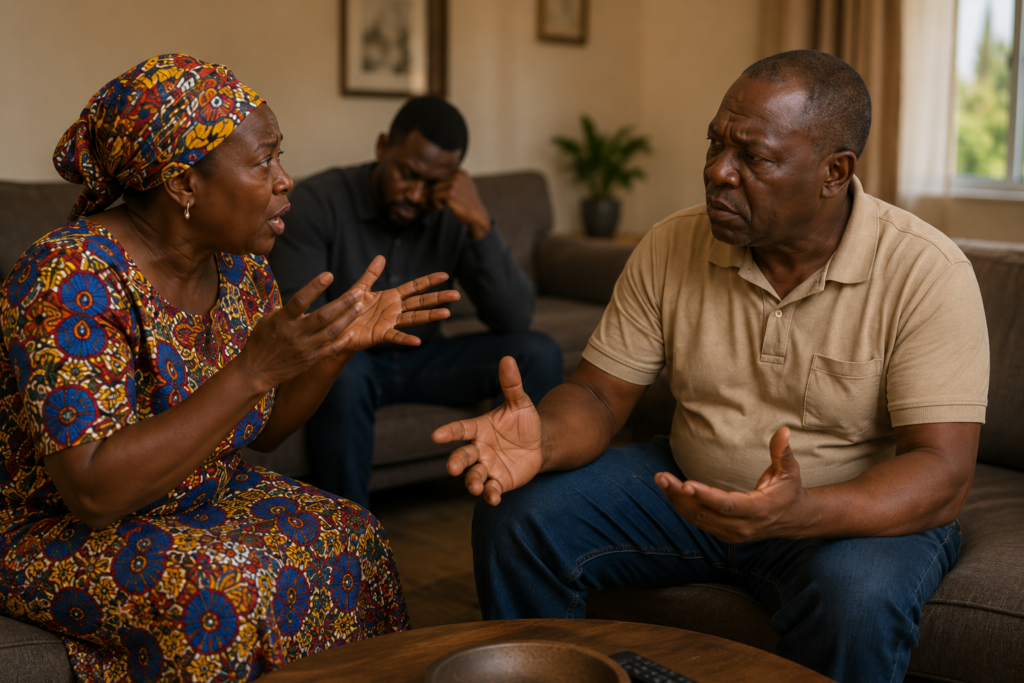
Investing back home should build your future wealth, not create a mountain of personal anxiety. The financial and emotional toll of relying on untrained relatives far outweighs any initial savings. True peace of mind comes from knowing your site is managed with cold, hard professionalism. Striking a clear line between family love and business investments is the best way to protect both.
To Conclude…
Building your dream property in Kenya is a major milestone that should bring you pride, not endless sleepless nights. Navigating the construction process from thousands of miles away is a massive challenge, but risking your hard-earned savings and family peace is a price you do not have to pay. True investment security requires an expert advocate who works strictly for you and answers only to you.
Protect your investment and keep your family relationships intact by choosing professional, unbiased representation on the ground. Visit our website to schedule an Executive Site Intelligence Visit and secure complete peace of mind today