
Many property owners confuse the different services involved in protecting a real estate investment in Kenya. The confusion is understandable because property oversight and property management sound similar at first glance. As a result, some investors hire the wrong service for their needs and only discover the mismatch much later.
You might accidentally hire the wrong professional because the industry terminology sounds incredibly similar on the surface. Mixing up these two critical services often leads to massive financial blind spots during your project journey.
Understanding the difference is important because each service plays a distinct role at different stages of the property’s lifecycle. Choosing the right support at the right time can help you maintain greater visibility, control, and confidence in your investment.
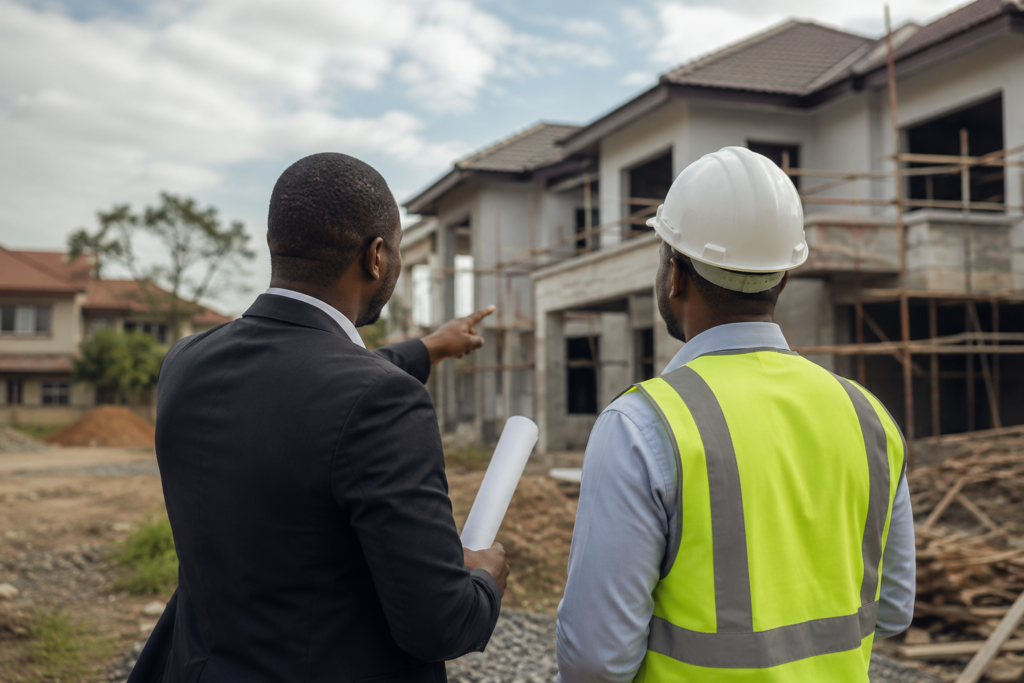
What is Property Management?
Property management is a service designed for completed properties that are already occupied, rented out, or ready for use. The focus is on the property’s ongoing operation after the construction phase ends and the asset becomes functional.
For many diaspora property owners, property management provides a way to maintain oversight of an established property without needing to be physically present in Kenya on a regular basis.
Typical Responsibilities of a Property Manager
Once a property is complete, the focus shifts from construction and development to daily operation and long-term upkeep. A finished property still requires regular attention to remain functional, attractive, and financially productive over time.
This is where property management becomes an important part of protecting the value of the asset via:
1. Tenant Management: Property managers serve as the primary point of contact between property owners and tenants. They help ensure that tenant-related matters are handled efficiently and communicated appropriately when issues arise.
2. Rent Collection and Financial Administration: A key part of property management involves overseeing rental income and related financial processes. This helps maintain consistency and organization in the property’s ongoing financial performance.
3. Property Maintenance Coordination: Buildings naturally experience wear and tear as they continue to be occupied and used. Property managers help coordinate maintenance activities to keep the property in good condition.
4. Vacancy Management: Periods without tenants can affect the financial performance of an investment property. Property managers help reduce extended vacancies and support the property’s continued occupancy.
5. Routine Property Monitoring: Regular observation helps ensure that the property remains functional, presentable, and aligned with the owner’s expectations. This allows potential concerns to be identified before they develop into larger issues.
A well-managed property often performs best when small issues receive attention before they become costly problems. For owners living abroad, having someone focused on the property’s day-to-day operations can make the distance far less challenging.

Who Typically Needs Property Management?
Not every property requires the same level of involvement from its owner after construction is complete. As properties become occupied and daily activities begin, managing them from a distance can become increasingly challenging.
This is especially true for the following owners who have limited time, live abroad, or own multiple properties:
1. Diaspora Property Owners: Many Kenyans living abroad cannot regularly visit their properties to handle day-to-day matters. Property management helps bridge the distance between the owner and the property.
2. Landlords with Rental Properties: Rental properties require ongoing attention even when tenants are reliable and long-term occupants. Property management helps ensure that operational matters continue running smoothly.
3. Owners of Multiple Properties: Managing several properties can become time-consuming as responsibilities increase across different locations. Property management provides a structured approach to handling these demands.
4. Busy Professionals and Business Owners: Many property owners have demanding careers or business commitments that limit their availability. Property management allows them to maintain ownership without constant operational involvement.
5. Investors Focused on Long-Term Returns: Some investors prefer concentrating on growth opportunities rather than handling everyday property matters. Property management allows them to remain focused on broader investment goals.
Property ownership often begins with acquiring or building an asset, but the journey does not end there. The real challenge for many owners is ensuring the property continues performing well long after the construction team has left the site, hence the need for property managers.
What is Property Oversight?
Property oversight, which is what we do, is a service designed for property owners who want independent visibility into what is happening on the ground in Kenya. It is most commonly used during construction projects, major renovations, land acquisitions, and other situations where important decisions are being made and significant funds are being invested.
Unlike services that focus on the day-to-day operation of a completed property, property oversight focuses on helping owners stay informed, represented, and protected while critical work is taking place. This is especially valuable for diaspora property owners who cannot regularly visit sites, attend meetings, or verify information firsthand.
Property oversight acts as an independent layer of verification between the property owner and the various parties involved in a project. The goal is to provide clarity, transparency, and confidence throughout the process.
Typical Responsibilities of an Independent Project Auditor
Construction projects generate a constant stream of updates, decisions, invoices, and progress reports throughout their lifecycle. For property owners living abroad, separating verified facts from assumptions can become increasingly difficult over time.
This is why many investors choose to have an independent representative focused on protecting their interests on the ground. They handle the following:
1. Conducting Site Inspections and Progress Verification: Independent project auditors regularly visit construction sites to assess whether work is progressing as reported. These inspections help confirm that completed work aligns with project plans, timelines, and approved specifications.
2. Reviewing Project Costs and Financial Requests: Construction projects involve numerous financial transactions that require careful review and documentation. Independent auditors help verify that major expenses and payment requests are supported by appropriate evidence.
3. Monitoring Construction Quality: The quality of workmanship can significantly influence the long-term value and durability of a property. Independent auditors help identify concerns early while corrective action is still practical and affordable.
4. Providing Independent Reporting: Property owners often receive information from contractors, consultants, and other project stakeholders. Independent reporting provides an additional perspective based on direct observations and documented findings.
5. Representing the Owner’s Interests: Many important discussions and decisions take place while diaspora property owners are thousands of kilometres away. Independent auditors help ensure that the owner’s priorities remain visible during meetings, inspections, and project discussions.
Every construction project benefits when decisions are supported by accurate information rather than assumptions. For diaspora property owners, independent oversight can provide reassurance that important details are not being overlooked while they are abroad.
Who Typically Needs Property Oversight?
Distance can make even a well-planned property project feel uncertain when important decisions are being made every week. The larger the investment becomes, the more valuable independent visibility and verification tend to become.
Property oversight is useful for owners who cannot personally monitor events on the ground throughout a project. These include:
1. Diaspora Property Owners: Many Kenyans living abroad are unable to make frequent trips home to inspect projects themselves. Property oversight helps them stay informed without relying entirely on updates from contractors or relatives.
2. Individuals Building a Home in Kenya: Building a home often involves substantial financial commitments and hundreds of decisions throughout the construction process. Property oversight provides an independent presence to monitor progress and verify what is happening on site.
3. Investors Developing Commercial Properties: Commercial developments often involve larger budgets, multiple stakeholders, and more complex project requirements. Independent oversight helps maintain visibility across different stages of the development process.
4. Land Buyers and First-Time Developers: Many investors purchase land or begin development projects without extensive experience in the local construction industry. Property oversight provides additional confidence when navigating unfamiliar processes and project milestones.
5. Owners Undertaking Major Renovations: Large renovation projects can involve high costs, multiple contractors, and frequent changes during execution. Property oversight helps ensure that renovation work remains aligned with approved plans and expectations.
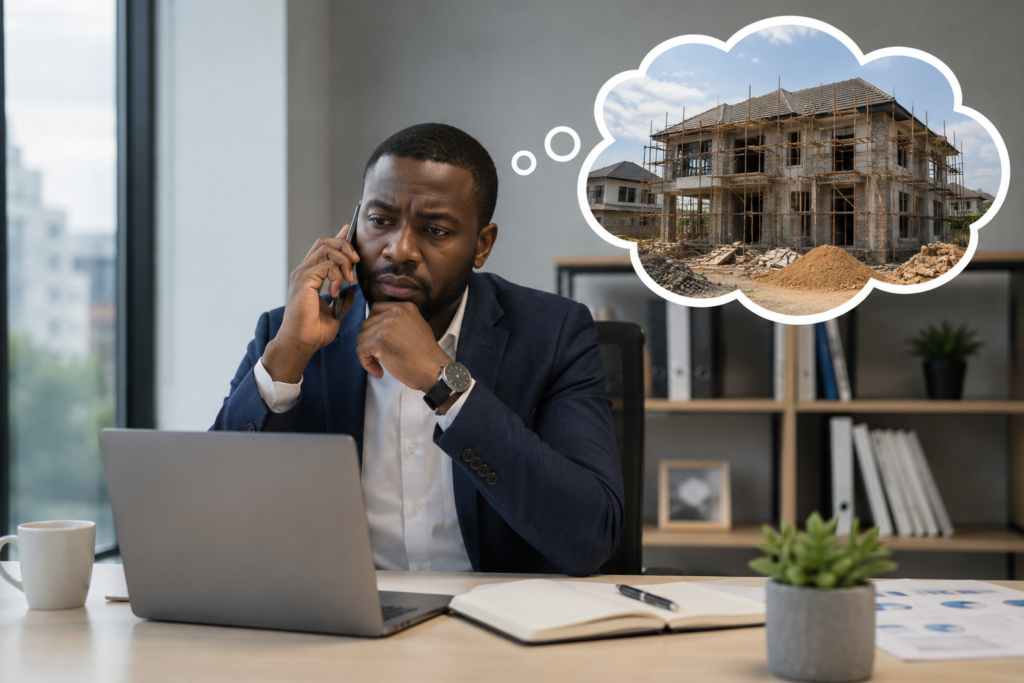
Property projects often move quickly, whether the owner is present or living thousands of kilometres away. Having reliable information at the right time can make a significant difference when important decisions need to be made.
Why Independent Project Oversight Matters
When you are managing a property project from abroad, most of the information you receive comes from people directly involved in the work. This could be a contractor, a consultant, a caretaker, or even a trusted family member helping on your behalf.
While these individuals may have good intentions, their updates are often limited to what they see, know, or choose to communicate. This can leave property owners with an incomplete picture of what is actually happening on the ground.
Independent oversight provides a separate source of information focused entirely on your interests. Instead of relying on assumptions, second-hand updates, or occasional photos, you receive objective observations and verified reporting. This added visibility can help prevent costly surprises, reduce unnecessary frustrations, and give you greater confidence when making important decisions about your investment.
Can You Have Both?
Yes, and in many cases, the two services complement each other very well. Property oversight is often most valuable during construction, renovation, acquisition, or other major project phases where independent verification is important.
Property management typically becomes relevant after the property is complete and enters regular use or occupancy. Depending on your circumstances, you may benefit from one service, the other, or both at different stages of your property’s lifecycle.
Conclusion
Property oversight and property management may sound similar, but they serve very different purposes during the life of a property. One is designed to provide independent visibility during critical project phases, while the other focuses on supporting the ongoing operation of a completed property.
Understanding this distinction can help property owners choose the right support at the right time and avoid gaps in oversight that may affect their investment. If you are building, renovating, purchasing, or developing property in Kenya while living abroad, independent oversight can provide the visibility and reassurance you need throughout the process.
Contact us today to learn how our property oversight services can help you stay informed, represented, and connected to your investment from anywhere in the world.