
Building a house back home while living thousands of miles away requires huge financial faith. You transfer hard-earned savings across ocean borders, trusting that every shilling goes directly into solid foundations and rising walls. Without a physical presence on site, however, you end up relying on casual phone calls, vague promises, and second-hand descriptions that leave you second-guessing reality.
Distance quickly turns a dream project into an anxious waiting game. You lie awake at night wondering if the steel installed today actually matches the structural plans you paid for. Photographic documentation changes that dynamic completely, giving you an unvarnished window into your site without ever stepping onto a flight.
What Is Professional Photographic Documentation?
Professional photographic documentation is far more than taking pictures on a mobile phone. Anyone can snap a quick photo of a standing wall or a busy work crew. Structured project documentation, however, follows a systematic, intentional method designed to track technical progress, verify material quality, and create an auditable timeline over the life of your build.
What a Proper Visual Record Should Show:
- Overall site progress: Wide-angle shots capturing the entire property layout, boundary walls, and major structural changes.
- Specific construction stages: Focused images of key milestones, such as rebar placement, concrete pours, and roof framing.
- Completed work: Clear, high-resolution photos showing finished sections ready for technical sign-off or milestone payment.
- Areas requiring attention: Detailed close-ups of visible defects, structural cracks, poor alignment, or safety hazards.
- Materials and workmanship where relevant: Sharp images of brand labels, steel grade stamps, cement bags, and joint quality.
- Changes from previous inspections: Side-by-side visual comparisons that highlight exact physical progress made since the last visit.
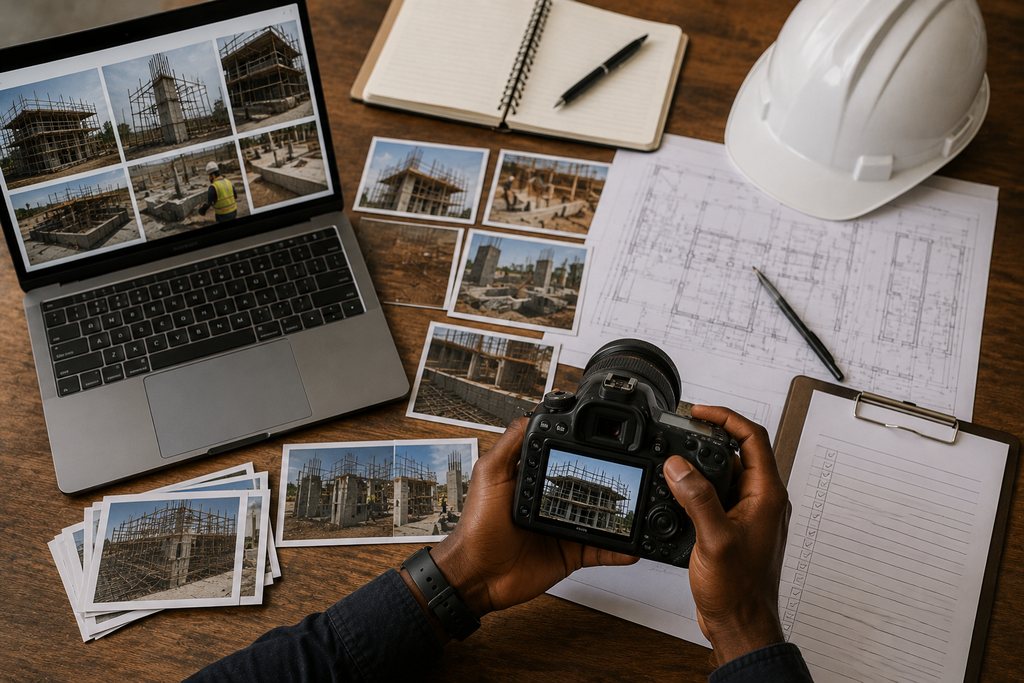
When you transition from casual snapshots to a structured visual system, your photos stop being simple updates. They transform into a powerful management tool that enforces accountability, protects your budget, and gives you absolute control over your project from abroad.
Why is Photographic Documentation Important in Construction?
Physical distance creates an information gap that casual phone conversations simply cannot bridge. When you manage a building project from abroad, relying solely on verbal updates leaves critical decisions to guesswork and assumptions.
Let us explore why you need photographic documentation for your construction project:
1. It Gives Property Owners Visibility From Anywhere
Distance creates information gaps. Owners living abroad cannot rely on physical visits to understand what is happening on site. Relying on phone updates leaves critical details to memory and guesswork. Time zone differences only widen this communication gap, making daily oversight difficult.
Photos bring the Site to the owner. Consistent images provide a visual connection to the project between physical inspections. High-resolution photos show true conditions on the ground without bias. You view exact site conditions instantly, preserving total confidence in your project from anywhere.
2. It Provides Evidence of Actual Progress
Activity does not always mean progress. A site may appear busy without meaningful milestones being completed. Workers can spend days moving materials around or tweaking minor items without making real structural headway. Without clear visual verification, surface activity can easily mask stalled timelines and rising labor costs.
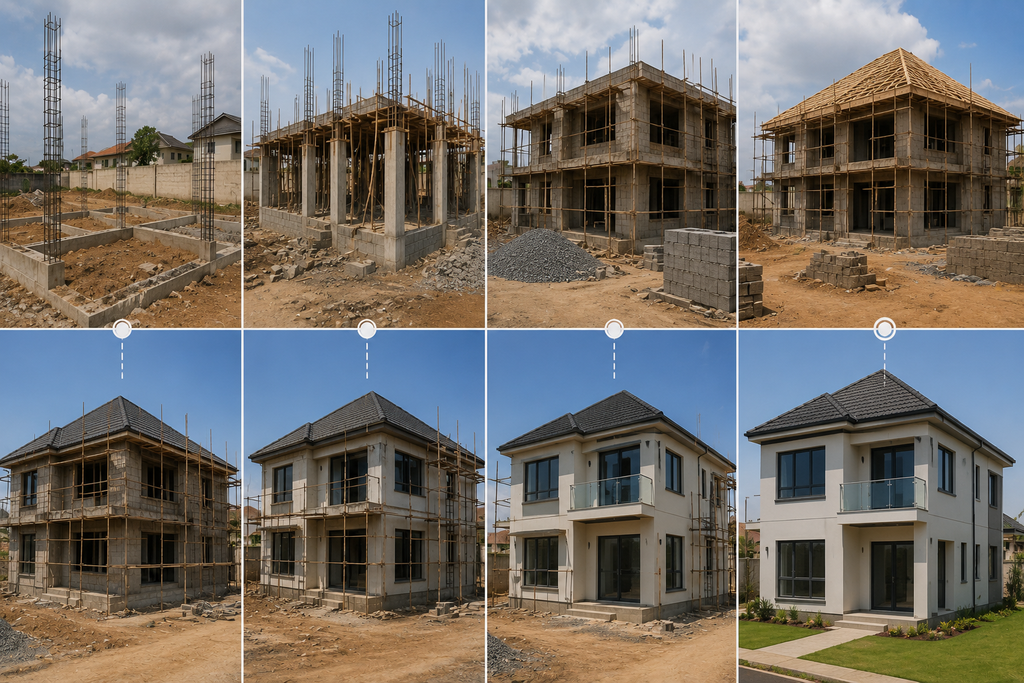
Photographs help verify what has changed. Comparing images over time can help establish whether the project is genuinely moving forward. Reviewing side-by-side photos across weekly visits reveals exact physical changes in structure, walls, and finishes. Clear visual history removes all ambiguity, ensuring you only pay for true, measurable progress.
3. It Helps Identify Problems Earlier
Some problems are easier to see than explain. Images can reveal:
○ Poor workmanship: Off-center columns, crooked brickwork, or uneven mortar lines show up instantly.
○ Incomplete work: Unfinished wiring, unsealed joints, or partial wall plastering cannot hide behind vague site reports.
○ Material storage issues: Cement bags left exposed to rain or steel rebar resting in mud are easy to spot.
○ Visible defects: Cracks in fresh concrete, sagging timber beams, or damp patches are immediately noticeable.
○ Unexpected changes: Unapproved deviations from original floor plans or room dimensions are caught on camera.
Early visibility creates an opportunity to act. The earlier an issue is identified, the more options the owner may have to address it. Catching a mistake while the concrete is still setting or before walls get sealed saves huge sums of money. Prompt visual alerts let you pause work, question contractors, and demand fixes before small defects turn into permanent structural damage.
4. It Creates a Record of the Project Over Time
Construction is a process. A single photograph only captures one moment. A quick snapshot of a freshly built wall gives no context regarding how that wall was constructed underneath. Without ongoing documentation, you lose sight of crucial structural steps taken along the way.
Consistent documentation shows the journey. Organised photographs can create a chronological record from one stage to the next. Building a detailed visual archive week by week creates an auditable history of your site. This can be useful when reviewing:
- Progress: Tracking overall speed against your original project schedule.
- Delays: Identifying exact dates when site activity ground to a halt.
- Changes: Documenting architectural modifications requested during construction.
- Completed milestones: Verifying structural readiness before releasing installment funds.
- Areas of concern: Watching recurring structural defects or water seepage patterns over time.

5. It Supports Better Decision-Making
Clear facts lead to smart choices. Making major financial or structural decisions from abroad without accurate visual evidence is risky. Guessing site conditions often leads to premature payments, unnecessary contractor conflicts, or costly design changes.
You’ll also have data-backed discussions with your team. Clear photographs give you solid facts during discussions with engineers, architects, and builders. Reviewing identical high-resolution images ensures everyone stays on the same page. Having true site facts empowers you to direct your project confidently, set firm deadlines, and approve changes based on reality.
6. It Improves Accountability
Documentation changes conversations. When project discussions are supported by clear evidence, it becomes easier to address questions about progress and workmanship. Conversations shift away from personal opinions or defensive excuses toward objective reality. Having visual proof keeps discussions professional and focused on real site conditions.
A shared visual record reduces ambiguity. Owners, contractors, consultants, and other stakeholders can refer to the same documented information. Everyone looks at identical images, eliminating misinterpretations across distance and time zones. Shared visual clarity aligns your entire team, keeping everyone focused on quality standards and contract promises.
7. It Helps Preserve Important Information Before Work Is Covered
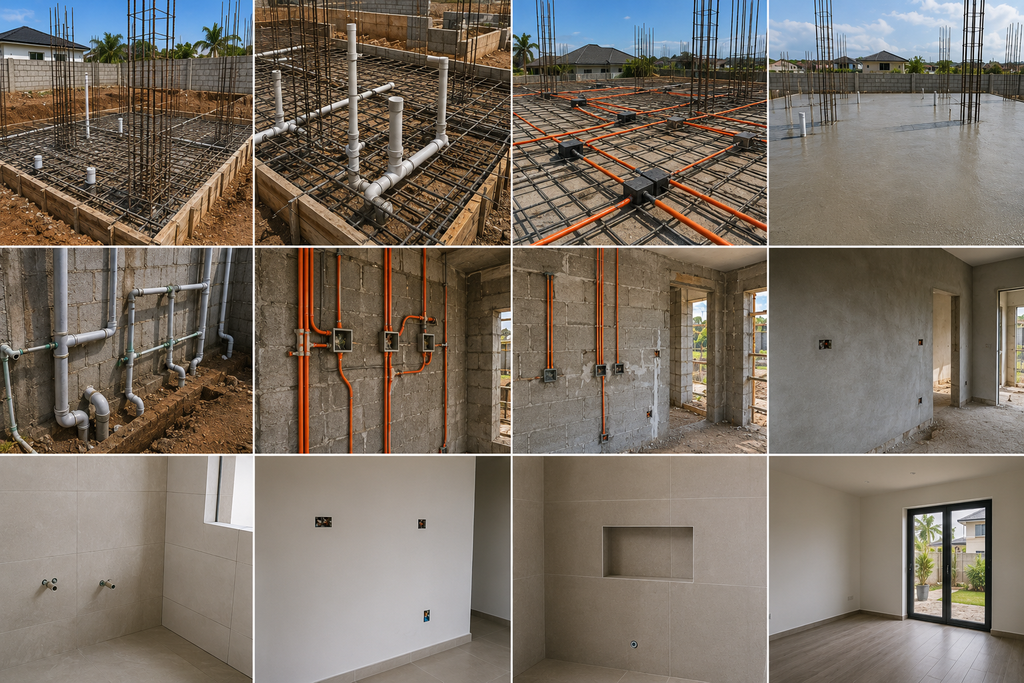
Some construction details disappear as the project advances. Once walls are closed, finishes are installed, or other stages are completed, certain elements may no longer be visible. Plumbing runs, electrical conduits, structural rebar, and waterproofing layers quickly vanish under concrete, plaster, and tiles. Once covered, evaluating their quality or exact placement becomes impossible without tearing up finished work.
Photographs captured during active construction stages preserve vital historical information for the life of your building. Detailed images of hidden utilities provide an exact map for future renovations, maintenance, or repairs. Visual records of structural rebar and foundations also prove long-term building integrity, offering irreplaceable proof of quality if you ever decide to expand or sell your property.
A comprehensive visual trail turns abstract updates into verifiable reality. Photographic documentation removes that uncertainty, giving you clear visual proof of every hammer swing, concrete pour, and wall built on your site.
Final Thoughts
Managing a building project from thousands of miles away does not have to feel like navigating in the dark. Implementing a structured photographic documentation system turns distant site visits into clear visual facts. When you replace assumptions with sharp, verifiable images, you protect your financial investment, ensure top-tier craftsmanship, and gain total peace of mind throughout your build.
Ready to bring full visual transparency to your project back home? Partner with Overseet today. Let our professional team serve as your independent, eyes-on-the-ground presence in Kenya, delivering structured photo reports and unbiased site oversight every step of the way.
FAQs on The Importance of Documentation
How often should site photos be captured during construction?
Photo updates should align with your active work speed and key project phases. Weekly photographic reports provide standard tracking during regular brickwork or interior masonry. Critical stages like foundation pouring, rebar layouts, or roof installation require immediate daily photo updates before work gets covered.
Can mobile phone photos replace professional site documentation?
Random smartphone snapshots usually lack consistent camera angles, proper lighting, and technical context. Professional documentation uses fixed camera positions, high-resolution detail shots, and organized visual logs. Structured photo archives give you reliable reference data, whereas informal phone photos quickly become chaotic and hard to track.
What key details must appear in construction progress photos?
Every site photo should include a clear date stamp, location tag, and structural reference point. Capturing wide shots alongside close-up details ensures you see overall progress together with material quality. Including measuring tapes or scale markers in close-up shots also helps verify exact rebar spacing and material dimensions.
How do progress photos help resolve disputes with my contractor?
High-resolution images create an indisputable, timestamped visual history of your construction site. When disagreements arise over timeline delays, poor craftsmanship, or unapproved work modifications, clear photos provide objective proof. Visual records remove personal bias from discussions, helping you enforce contract agreements fairly and quickly.