
Building a future back home should be one of your proudest achievements as a diaspora investor. You work long hours abroad, making sacrifices every single day to send money back to Kenya. You imagine walking through the doors of your completed house or collecting rent from a new property.
Unfortunately, managing real estate from thousands of miles away usually turns that dream into a stressful situation. You face constant communication breakdowns, unexpected expenses, and endless anxiety across different time zones. Fraud, poor workmanship, and mismanaged funds threaten your hard-earned savings at every stage of the project. Every decision becomes a nerve-wracking gamble when you cannot physically visit the site yourself.
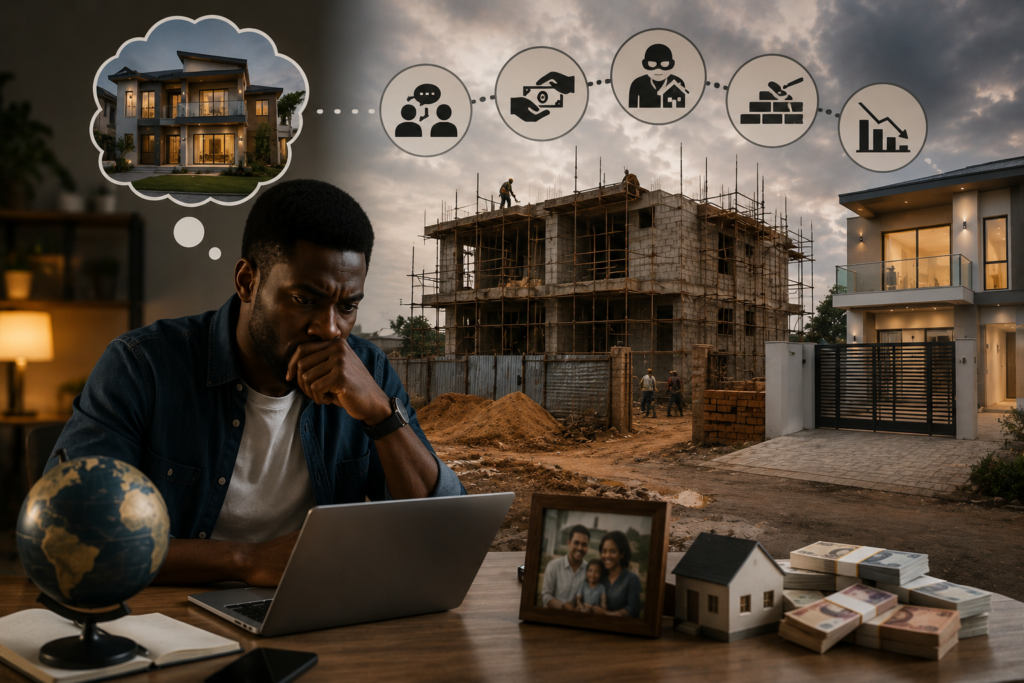
Here are the most common issues and practical ways to reduce these risks:
1. Limited Visibility
You cannot physically walk onto your site whenever you want. This distance forces you to rely completely on second-hand information, quick photos, and casual updates from other people. When an issue comes up on the ground, solving it takes far too long across different time zones. You are left guessing what is actually happening on site, which creates endless anxiety and leaves room for costly delays.
How to reduce this risk: Agree on a simple, predictable updates schedule before the project begins. Ask for standard bi-weekly photo and video walk-throughs covering specific areas of work. This simple routine keeps everyone aligned and sets clear expectations without smothering your team on the ground.
2. Choosing the Right People
This is a major hurdle that many investors completely underestimate. Finding reliable contractors who deliver quality work on time is extremely difficult from a distance. You have to vet professionals, verify credentials, and check past projects without being there in person. Knowing who to trust with your hard-earned money quickly becomes an overwhelming and risky task.
How to reduce this risk: Partner with an independent local representative to handle the background checks for you. We visit past project sites, verify trade licenses, and confirm references directly on the ground in Kenya. Having unbiased experts vet your team ensures you hire proven professionals who actually respect your time and budget.
3. Communication Breakdowns
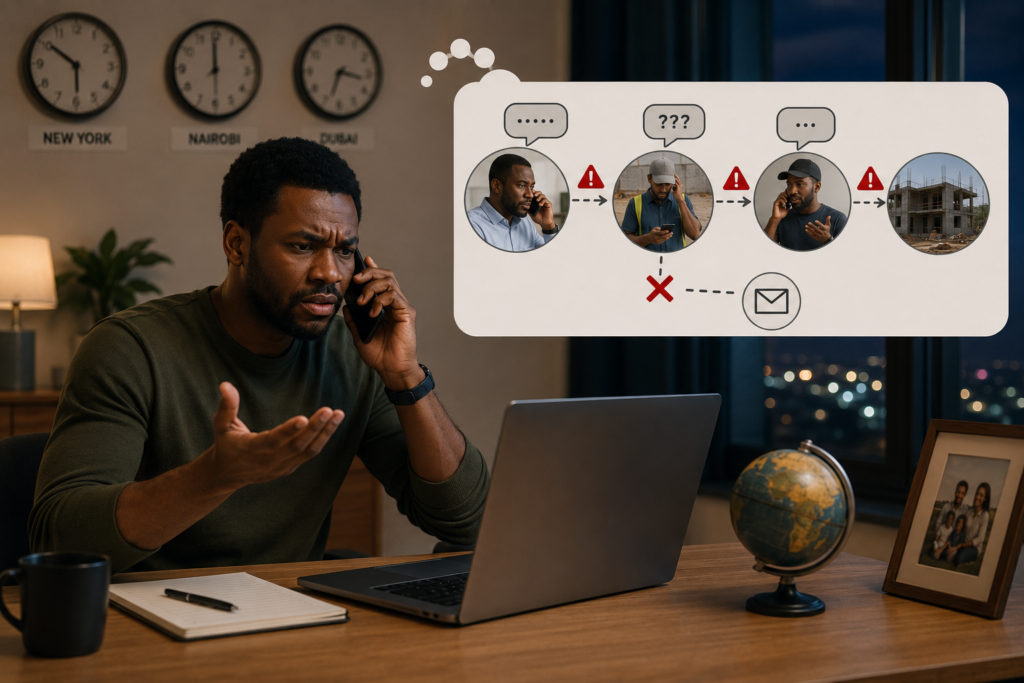
Time zone differences naturally slow down daily decision-making for diaspora investors. A simple question sent in the morning might sit unanswered until late at night. Important updates pass through multiple people, often distorting the truth along the way. Different expectations about quality or timelines lead to frustrating misunderstandings that stall your project entirely.
How to reduce this risk: Establish a single point of contact on the ground to streamline all messaging. We act as your direct liaison, keeping daily logs and sending clear, summarized updates straight to you. Having one dedicated channel eliminates middleman confusion, bridge time zone gaps, and keeps everyone aligned on expectations.
4. Staying on Budget
Projects almost always cost more than initially planned. Scope creep slowly adds small, unbudgeted tasks that quickly stack up into massive expenses. Material prices fluctuate constantly in the local market, making early quotes outdated very quickly. Approving payments remotely without seeing physical progress creates constant fear of paying for unfinished or low-quality work.
How to reduce this risk: Build a strict contingency fund into your budget and mandate written change orders. Require your contractor to submit written cost breakdowns and photo proof before releasing any milestone payments. This simple financial boundary protects your bank account from unexpected spikes and forces workers to stick to original estimates.
5. Monitoring Progress
Knowing whether your build is actually moving forward is extremely difficult from thousands of miles away. A busy site filled with workers does not always mean actual work is getting done. Without a clear understanding of construction milestones, you can easily confuse surface activity with real structural progress.
How to reduce this risk: Break your project contract into clear, verifiable milestone stages before work begins. Require specific structural goals, like completing the foundation slab or finishing roof trusses, to be met before releasing the next payment installment. Tying payments directly to completed stages ensures your money only goes toward real, measurable progress.
6. Maintaining Quality
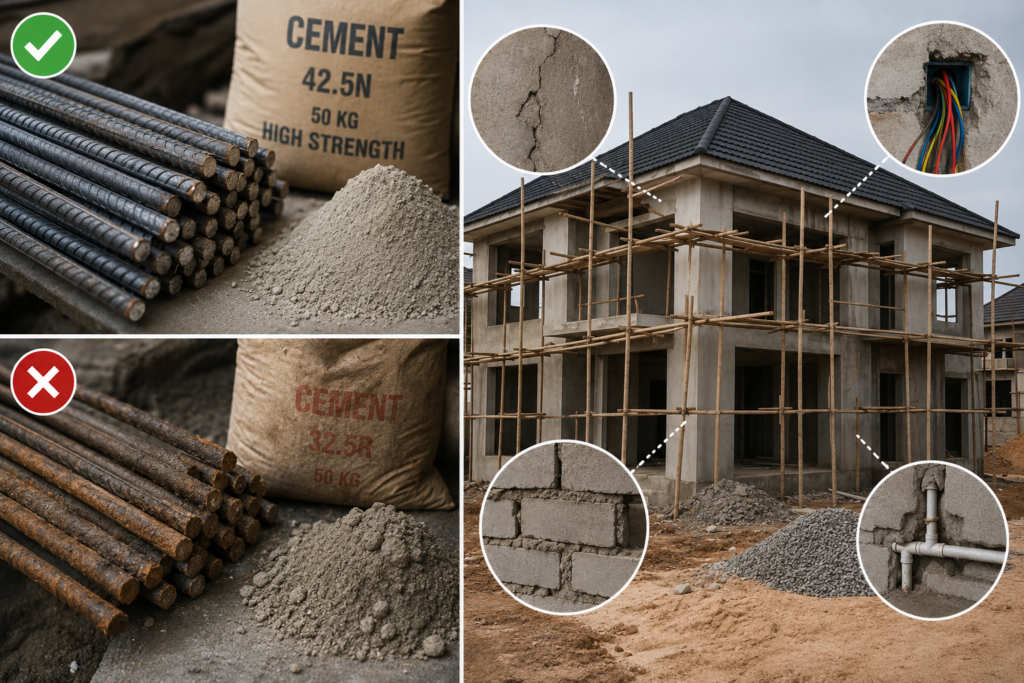
Cutting corners on construction quality is a common issue when owners are away. Unscrupulous workers often replace specified high-grade steel, cement, or electrical wiring with cheaper, substandard alternatives. Poor workmanship can easily hide behind fresh paint, leaving structural flaws and hidden plumbing leaks unnoticed until much later. Uncovering these defects after finishing forces expensive rework, blowing your budget and damaging the overall structure.
How to reduce this risk: Specify exact material brands, grades, and standards directly inside your initial contract. Request clear photos of material delivery receipts and close-up shots of raw materials before installation begins. For critical structural stages, hire a qualified independent inspector to check work quality on-site before walls are closed or concrete is poured.
7. Balancing Family, Trust, and Accountability
Relying on relatives to supervise your build is perhaps the most delicate challenge of all. Combining family bonds with financial oversight creates uncomfortable tension when things go wrong. You might hesitate to ask tough questions about missing receipts, delayed work, or poor craftsmanship to avoid appearing ungrateful or untrustworthy.
Without objective, professional reporting, casual updates replace honest structural facts. When money vanishes or timelines slip, those silent frustrations often boil over into broken trust and strained family relationships.
How to reduce this risk: Separate family love from professional project oversight entirely. Let your relatives support and visit the site casually, but hire an independent third party to handle formal reporting, quality checks, and contractor accountability. Removing the burden of project management from your family protects both your real estate investment and your most cherished personal bonds.
8. Protecting Your Investment Long-Term
Securing your project does not end when construction finishes. Leaving properties vacant for long periods exposes them to security risks, illegal squatters, or unnoticed water damage. Without routine maintenance, small issues like roof leaks, rising damp, or overgrown grounds quickly destroy structural value. Failing to organize property tax receipts, title documents, and utility bills centrally makes long-distance management a chaotic headache.
Over time, neglected properties lose market value, turning what should be a lucrative asset into a costly liability.
How to reduce this risk: Establish a formal property care routine and digital document vault. Schedule regular, documented inspection visits to check physical security, test utilities, and address minor repairs early. Setting up an ongoing maintenance routine protects your asset, ensures legal compliance, and preserves its market value for years to come.
Final Thoughts
Building or owning property in Kenya from abroad should feel like securing your legacy, not taking an endless financial gamble. Recognizing these hurdles early lets you replace constant worry with structured, reliable systems on the ground. When you put clear boundaries and independent verification in place, distance stops being a barrier to your progress.
Ready to safeguard your real estate project back home? Contact our team at Overseet today for a confidential consultation, and let us serve as your trusted, independent eyes on the ground.
FAQs
Can Inspections Be Done for Renovations or Just New Construction?
Independent site visits work equally well for existing property upgrades, structural remodels, and fresh land development. Any project where money is actively being spent benefits from unbiased oversight.
How often should an independent oversight company visit my property in Kenya?
Visit frequency depends on your project’s current phase and active workload. During heavy structural work like laying foundations or pouring slabs, weekly or bi-weekly visits are crucial. For slow phases or vacant land care, monthly checks are usually enough to keep everything secure.
Is independent property oversight expensive compared to project management?
Oversight costs significantly less because independent monitors do not manage daily labor, hire crews, or buy materials. You pay a predictable fee for unbiased reporting, auditing, and visual verification. Catching a single major structural defect early easily covers the entire oversight cost.
Can independent oversight help if I already signed a contract with my builder?
Yes, you can bring in independent oversight at any point during a project. An independent representative reviews your existing contract terms and aligns future site checks with agreed milestones. This ensures ongoing work meets original quality standards without altering your current builder agreement.