
Managing a construction project in Kenya from abroad relies heavily on trust, but blind trust can quickly turn into a costly mistake. Most building relationships start with clear plans, mutual enthusiasm, and promised timelines. As work gets underway on site, subtle shifts in communication, site activity, and financial requests often signal that your project is drifting off course.
Recognizing early warning signs gives you the power to intervene before minor irregularities become major financial losses or structural failures. Closer oversight is not about micromanaging every nail; it is about protecting your hard-earned capital and holding site teams accountable to professional standards.
Identifying key red flags early ensures your project stays on schedule, on budget, and built to last.
1. Your Contractor Gives Vague Progress Updates
“We are almost done” is not a progress report.
Reassurance is not accountability. Hearing that work is “moving well” or “nearly finished” provides emotional comfort, but it tells you nothing about actual physical site conditions. Relying on broad statements leaves you in the dark about actual construction milestones, timeline adherence, and trade performance.
Clear, professional updates require objective, measurable facts:
- What was completed: Confirming specific structural or finishing tasks finished during the work week.
- What remains: Outlining exact pending tasks required to close out the current building phase.
- What is currently underway: Detail on active trade work happening on site right now.
- Schedule status: Stating clearly whether ongoing work aligns with agreed project timelines or lags behind target dates.
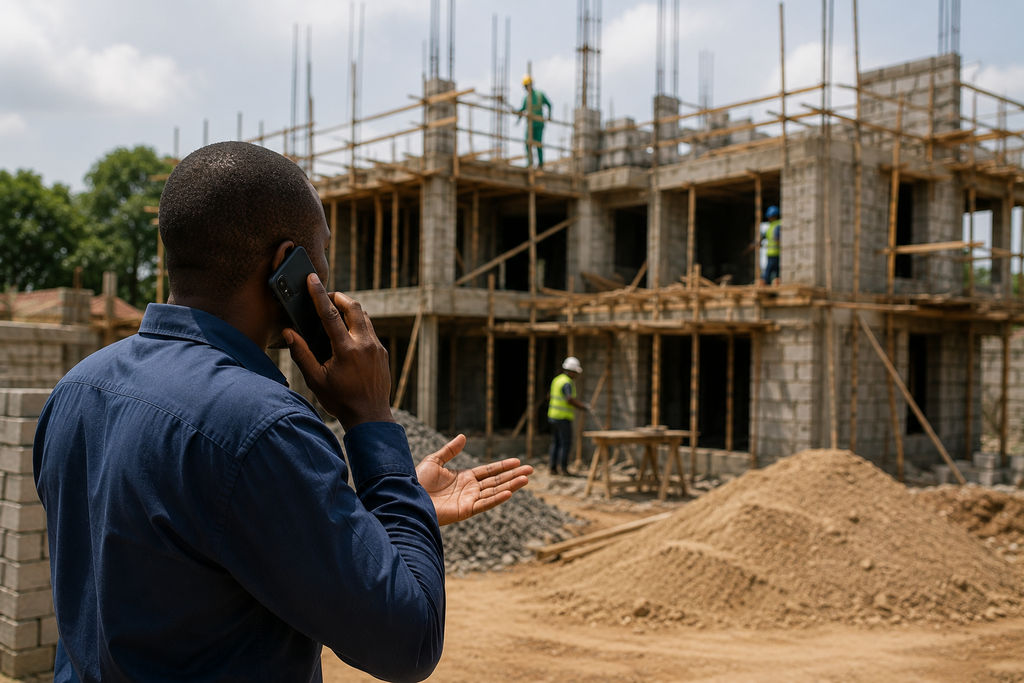
Why This Matters: Without specific, itemized data, evaluating real site momentum is impossible. Vague updates hide stalled progress, mask poor trade coordination, and blur accountability. Demanding concrete details ensures you catch delays early, verify completed stages accurately, and maintain firm operational control from anywhere in the world.
2. The Project Keeps Missing Milestones
Missing a single completion target might seem harmless, but repeated timeline slips signal deeper operational breakdown on site. When deadlines move constantly without clear explanation, the project loses momentum and structured workflow collapses.
Frequent milestone delays stem from specific management issues:
- Poor resource allocation: Workers and equipment are shifted to other sites, leaving your build understaffed.
- Reactive material ordering: Supplies are purchased at the last minute instead of planned ahead, causing constant work stoppages.
- Uncoordinated trade schedules: Electricians, plumbers, and masons overlap inefficiently or wait around for prerequisite tasks to finish.
- Unrealistic scheduling: Promises are made to secure payments rather than reflecting actual labor capacity.
Why This Matters: Unmanaged delays drain your capital through extended site overheads, security fees, and rising material costs. A contractor who consistently misses targets without providing a revised, realistic recovery schedule requires immediate structural intervention before timelines stretch out indefinitely.
3. You’re Constantly Asked for Additional Money
Sudden cash demands signal budget mismanagement. Budget requests should follow predictable, pre-agreed milestone schedules. When a contractor repeatedly asks for unexpected funds, cash advances, or emergency top-ups outside your payment structure, it indicates poor financial control on site.
Frequent requests for extra capital point to specific underlying issues:
- Inaccurate initial pricing: Lowball quotes submitted early to secure your contract, followed by price hikes once construction starts.
- Cash flow diversion: Money disbursed for your materials being redirected to pay off debts or supply workers on other projects.
- Poor material management: Miscalculated quantities, unnecessary waste on site, or improper storage leading to damaged supplies that must be replaced.
- Unapproved cost additions: Buying alternative finishes or extra tools without getting your prior written consent.
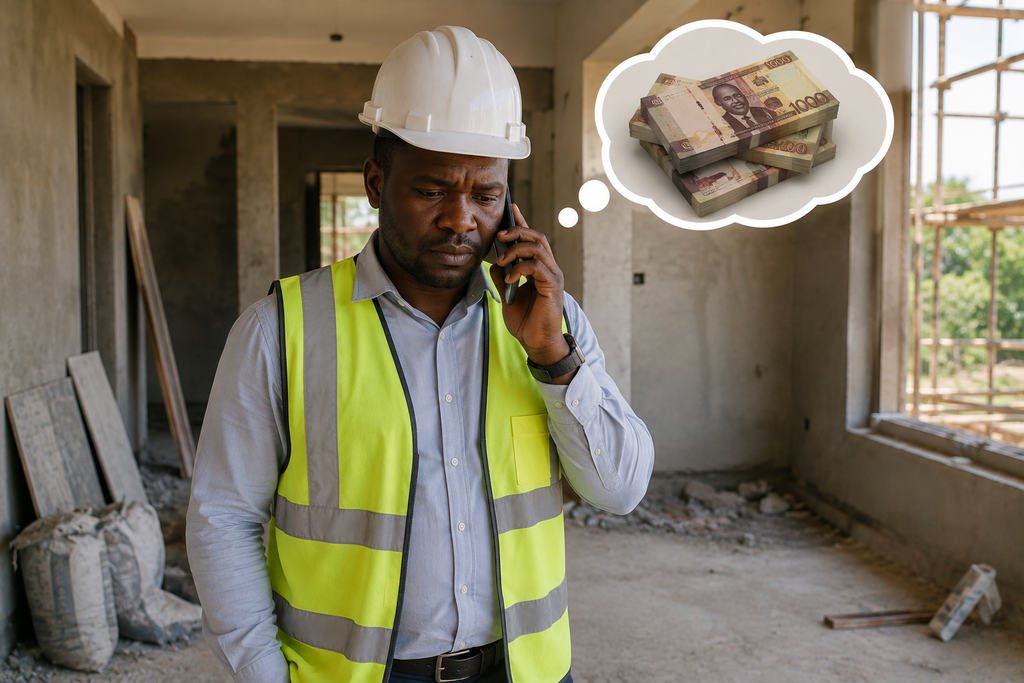
Why This Matters: Continuous out-of-pocket requests erase your profit margins and push your total investment far beyond your original budget. Financial requests must align directly with physical site verification. A contractor who relies on constant cash infusions rather than completed work requires tight financial controls and independent site auditing.
4. Work Does Not Match the Agreed Specifications
What you approved should match what is being built. Deviations from approved architectural drawings and technical specifications indicate poor site discipline or intentional cost-cutting. Allowing builders to treat signed plans as optional guidelines alters the quality, safety, and functionality of your finished property.
Watch closely for unapproved variations on site:
- Different materials: Substituting high-grade steel, branded roofing sheets, or thick gauge wiring for inferior, lower-cost alternatives.
- Changes to dimensions: Shrinking room sizes, reducing wall thickness, or adjusting ceiling heights without structural authorization.
- Different finishes: Installing cheaper floor tiles, lower-quality wall plaster, or alternative fixture brands instead of contracted choices.
- Unapproved design changes: Altering window placements, moving internal doorways, or modifying roof pitches without your prior written consent.
Why It Matters: Small visual or material compromises compound into major structural and financial issues. Unapproved specification changes weaken building durability, violate local planning codes, and ruin the aesthetic value of your property. Holding your contractor strictly to agreed blueprints guarantees your investment delivers the precise quality you paid for.
5. The Contractor Resists Questions or Independent Inspections
Legitimate oversight should not be a problem. Professional builders welcome transparent communication and routine audits. When a contractor gets defensive over basic progress inquiries, delays access to independent inspectors, or dismisses technical questions, site discipline is breaking down.
Resistance to accountability usually shows up through specific behaviors:
- Evading direct questions: Shifting focus to general excuses rather than providing clear answers about timelines, specs, or expenditures.
- Discouraging site visits: Inventing scheduling conflicts, claiming safety hazards, or discouraging third-party inspectors from entering the site.
- Dismissing owner concerns: Treating legitimate requests for verification as an attack on their professional reputation or authority.
- Delayed documentation: Withholding material receipts, engineering reports, or updated site photos when requested.

Resistance creates unnecessary uncertainty. Pushback against independent auditing is a major red flag. Legitimate oversight protects both parties by ensuring work meets agreed engineering standards and contractual obligations. When a contractor actively blocks transparency, taking back control through independent site inspections and strict financial verification is essential to protecting your build.
Final Thoughts
Spotting warning signs early keeps small site irregularities from turning into major structural or financial setbacks. Whether facing vague updates, missed milestones, unapproved specification changes, or pushback against independent audits, taking immediate action restores site discipline and protects your capital. Remote management succeeds when built on verifiable data, clear milestone payments, and uncompromising quality control.
Concerned about what is happening on your construction site in Kenya? Contact Overseet to secure complete, independent visibility over your property build. Our professional oversight services deliver unbiased site inspections, technical auditing, and detailed progress reporting.