
Building property in Kenya from abroad represents a major milestone, but distance can blind you to critical vulnerabilities on the ground. Most buyers and developers focus heavily on hiring reputable builders and managing overall project costs. Silent oversights outside the main contract, however, cause the most severe financial losses, legal delays, and structural failures.
Recognizing hidden site vulnerabilities before breaking ground protects your capital, timeline, and long-term asset value. True security requires looking beyond basic progress updates and identifying low-visibility pitfalls early. Uncovering these frequent blind spots shifts your build from a high-stakes gamble into a protected, resilient investment.
Risk #1: Material Substitution
The materials you specified may not be the materials used. Material substitution happens quietly on active site floors. High-grade specifications often get swapped out for cheaper, lower-quality alternatives without your knowledge or consent.
Spotting these changes presents a major challenge when managing a build remotely:
- Different material grades: Builders may buy lower-grade structural steel, thinner PVC piping, or under-gauge electrical wiring to cut upfront costs.
- Lower-quality alternatives: Subcontractors sometimes swap specified waterproof cement, quality tiles, or branded roofing sheets for inferior generic brands.
- Substitutions without approval: Swaps frequently occur behind the scenes, leaving you unaware that components differ from your original contract.
- Difficulty identifying differences from photographs: Standard site photos rarely capture structural specs. Identifying correct rebar thickness or wire gauge through a basic photo is nearly impossible.
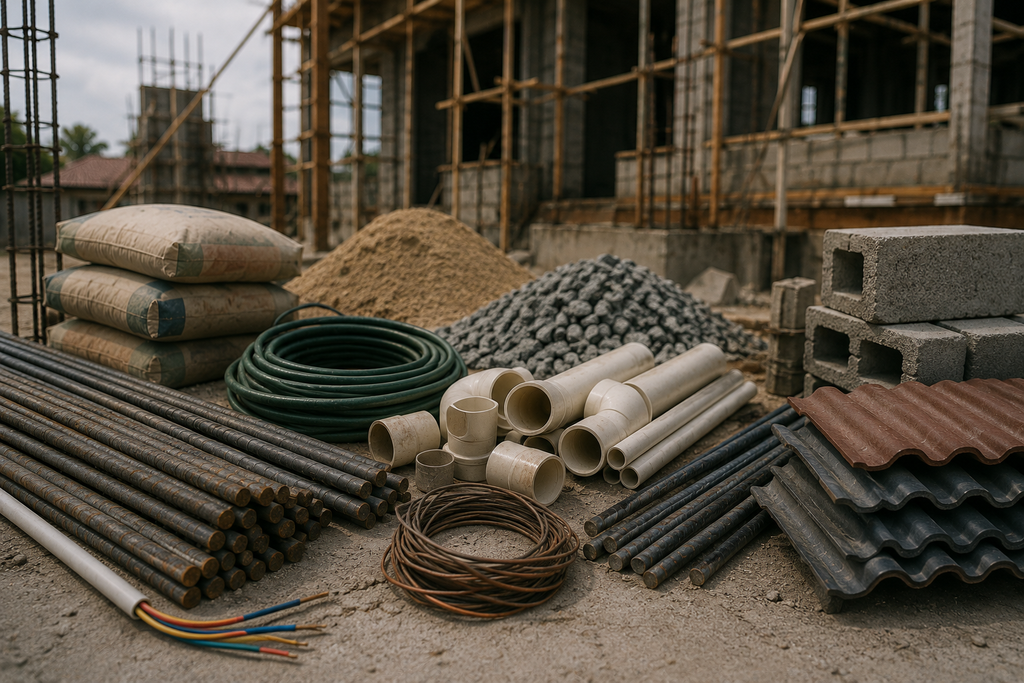
Why It Matters: Cutting corners on raw inputs undermines your entire building. Inferior materials compromise structural integrity, cause premature cracking, and trigger leaking pipes within months of completion. Lower-quality components drastically inflate maintenance costs and ruin long-term resale value, turning small upfront savings for a builder into major financial losses for you.
Risk #2: Small Design Changes That Become Expensive
“Small” changes can affect the entire project. On-site modifications often sound harmless when pitched casually over a quick phone call. A contractor or relative might suggest moving an internal partition or adjusting a window size to “improve the layout.” Mid-construction tweaks, however, trigger a cascade of structural and financial shifts across the build.
Minor changes frequently snowball into complex project issues:
- Moving walls: Shifting a wall alters load distributions, reroutes electrical conduits, and impacts plumbing layouts.
- Changing room dimensions: Adjusting room sizes destabilizes foundation allocations and leaves ordered floor tiles or ceiling joists misaligned.
- Altering windows or doors: Changing lintel spans requires custom lintel reinforcement and forces costly window frame re-fabrication.
- Changing finishes: Swapping out wall plaster for feature cladding demands additional surface prep, specialized adhesives, and higher labor rates.
- Adding features during construction: Deciding to add an extra bathroom or outdoor porch mid-build disrupts structural integrity and interrupts ongoing trade schedules.
Why Design Changes Need to Be Controlled: Unapproved design shifts derail project economics faster than almost any other site error. Altering a plan mid-stream wastes materials already delivered, requires labor to tear out fresh work, and extends your completion date. Cumulative minor alterations inflate your overall budget, spark contractor fee disputes, and compromise the balance of your original architectural design.
Risk #3: Paying for Work That Has Not Been Properly Verified
Progress claims are not the same as verified progress. Releasing funds based on contractor requests rather than physical site realities exposes your budget to serious risk. Builders often request cash infusions to cover upcoming material orders, pay off past debts, or keep workers on site. Approving major payments without independent confirmation leaves you financially overextended while actual site progress lags behind.
Releasing money ahead of verifiable progress creates critical vulnerabilities:
- Overpayment relative to completed work: Contractors may abandon the project or slow down work significantly once they hold most of your capital.
- Hidden defects getting paid for: Disbursing funds without quality checks means paying full price for substandard masonry, unlevel slabs, or poor wiring.
- Loss of leverage: Retaining payment control remains your strongest tool for enforcing quality, safety standards, and contract timelines.
- Inaccurate reporting: Verbal updates and curated site photos can easily mask stalled progress or severe structural errors.

Protecting your money requires tying every single release to clearly defined, independently verified construction stages. Establish explicit parameters before releasing capital.
Risk #4: Poor Work Being Covered Up
Some problems become invisible as construction progresses. Substandard construction work rarely stays out in the open for long. As building moves forward, layers of plaster, concrete, backfill, and ceiling panels quickly conceal low-quality craftsmanship and cut corners. Spotting critical defects becomes nearly impossible once trade teams close up walls and pour slabs over unverified systems.
Covered-up installations create severe hidden vulnerabilities across major systems:
- Plumbing: Inferior pipe fittings, unsealed joints, or improper slope angles get buried inside concrete walls and under finished floors.
- Electrical installations: Undersized wiring, ungrounded circuits, and loose junction boxes get concealed behind plasterwork and ceiling boards.
- Reinforcement: Incorrect rebar spacing, missing stirrups, or under-gauge steel bars get permanently encased in poured concrete columns and beams.
- Waterproofing: Missing sealant membranes or skipped damp-proof courses get hidden under foundation slabs and roof tiles.
- Structural work: Shallow foundation depths, poor soil compaction, and weak mortar mixes get covered by backfill and surface masonry.
Why Timing Matters: Uncovering defects after a build is finished causes massive financial and logistical nightmares. Correcting buried mistakes requires tearing down fresh masonry, jackhammering concrete floors, and stripping away expensive wall finishes. Timely inspections during active construction catch errors while components remain exposed, saving you from catastrophic repair bills, structural failure, and safety hazards down the road.
Risk #5: Construction Delays That Are Not Properly Managed
Not every delay is obvious. Construction projects rarely collapse overnight. Momentum usually slips away through small, unnoticed disruptions that compound over weeks and months. Identifying subtle slowdowns requires looking past high-level timelines and tracking daily site productivity.
Projects lose momentum through several quiet channels:
- Poor planning: Builders sequence trade teams incorrectly, leaving specialists waiting around for prerequisite work to finish.
- Material shortages: Critical supplies arrive late due to delayed ordering, poor supplier communication, or poor cash flow management.
- Labor issues: Skilled workers leave for other sites, staffing levels drop, or daily productivity declines without supervisor oversight.
- Contractor coordination: Mismatches between plumbers, electricians, and masons cause idle days and conflicting work orders.
- Slow decision-making: Requests for material choices, plan clarifications, or payments stall while waiting for remote approvals.
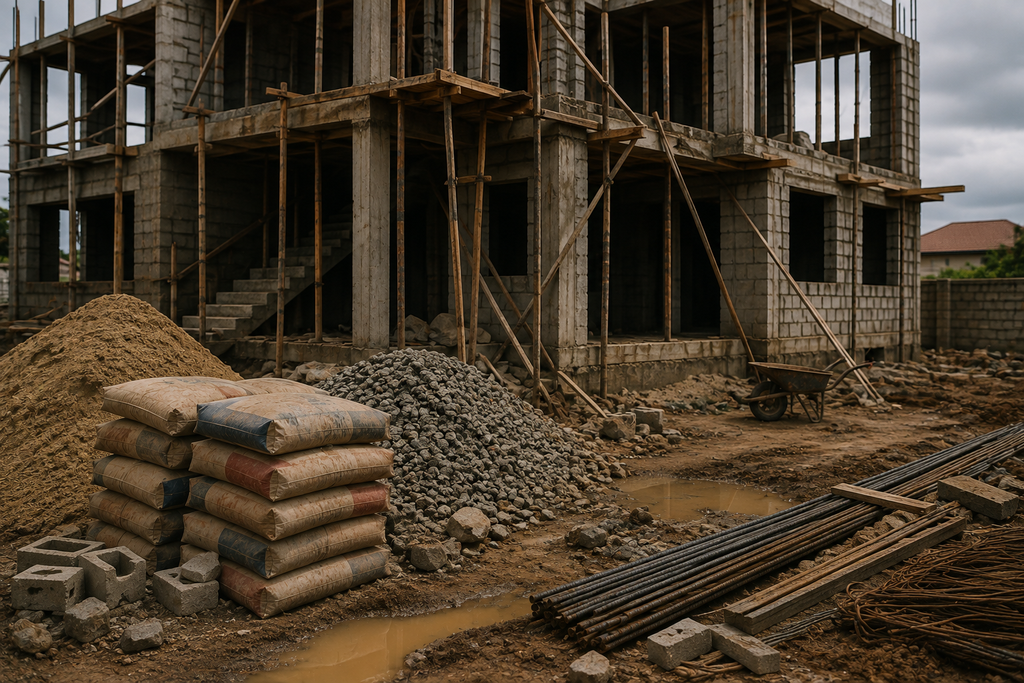
The Cost of Delay: Extended timelines inflict heavy financial damage on your project. Prolonged builds inflate daily site security fees and supervisor overheads. Labor costs rise as workers stretch tasks across extra billable days. Delaying purchases also exposes your wallet to sudden material price surges and currency fluctuations, drastically expanding your total construction budget.
Conclusion
Constructing a property in Kenya from thousands of miles away does not have to feel like navigating a minefield. Uncovering silent vulnerabilities allows you to take proactive steps before small errors turn into costly disasters. Building success relies on establishing firm systems, enforcing strict milestones, and maintaining independent visibility every step of the way.
Ready to safeguard your construction investment in Kenya? Contact Us today. Our team provides rigorous third-party inspections, detailed material verification, and unbiased site auditing, ensuring your build stays strictly on budget, on schedule, and built to standard.